Suicide Prevention Month: Make it safe to be real
September is Suicide Prevention Month, a time to raise awareness, but more importantly, a time to confront the barriers that still prevent people from getting help when they need it most. Chief among those barriers being stigma.
Despite the growing dialogue around mental health, we still live in a society that makes it difficult to speak openly about emotional struggle. We tell people it’s okay to not be okay, but only if they don’t make it uncomfortable. We encourage people to ask for help, but then we judge them for doing so.
Stigma isn’t just words, it’s woven into policies, workplace culture, healthcare systems and family dynamics. It shows up in courtrooms, classrooms, media and even in our homes, with deadly consequences.
The truth is, stigma doesn’t just silence people, it separates them. It convinces us that we’re weak, broken or a burden. It creates an environment where struggling becomes something we hide, rather than something we share. And in that silence, far too many lives are lost.
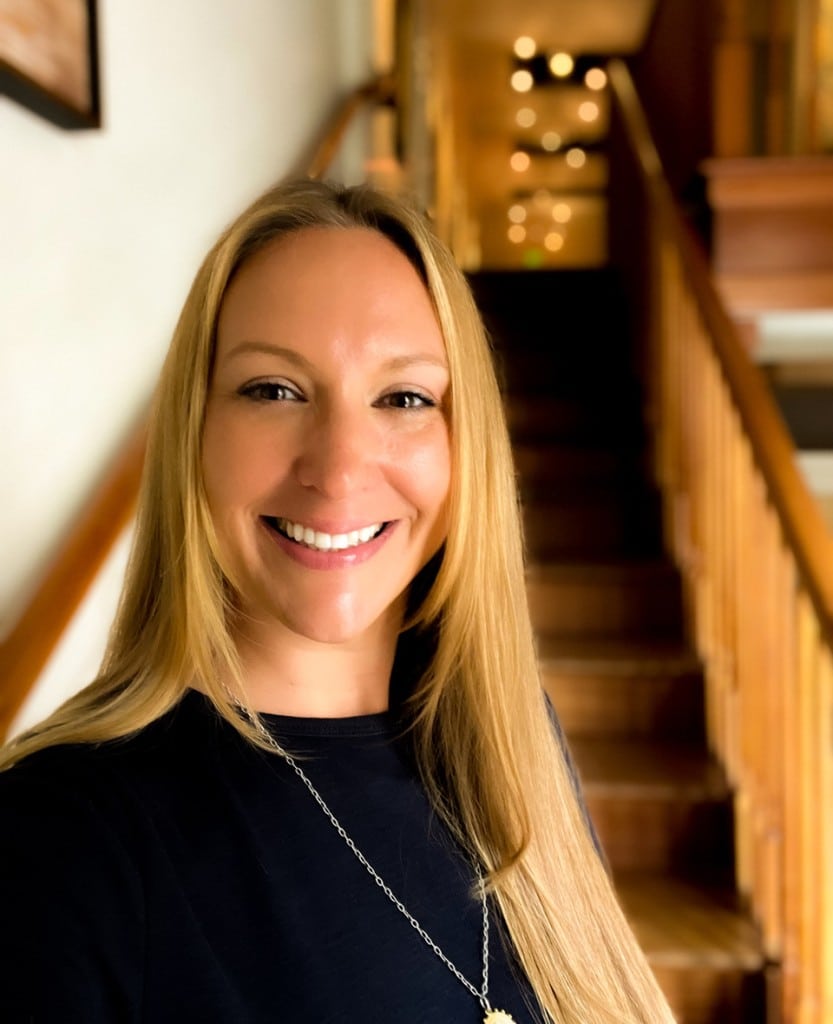
I know this not as a concept, but as lived experience. A few years ago, I reached my breaking point. After years of masking my pain, pushing through and being told nothing was wrong with me, I unraveled in a space where I didn’t feel seen or safe. Surviving that moment was just the beginning. What followed was a different kind of grief that involved not only the work of healing, but the reckoning with how I was treated in its aftermath.
A few people, for whom I remain eternally grateful, stepped in with care and kindness. But many others withdrew, and I don’t blame them. For most, I don’t consider their reactions cruel, but a result of cultural conditioning. What I learned through that experience is just how rooted the fear and misunderstandings around mental health still are, even among those closest to us.
I’m not sharing this for sympathy, or to shock anyone. I’m sharing it because I know I’m not the only one. If my story helps even one person feel less alone, more understood, or more willing to reach out, then it’s worth telling.
Suicide prevention cannot begin at the edge of crisis. It must start earlier, by creating a world where being honest about our pain doesn’t cost us connection. That means challenging the belief that struggle equals weakness. It means reminding people that needing help doesn’t make you unfit; it makes you human.
Mental health exists on a spectrum. Just like physical health, there are variations and fluctuations. It is not a one-size-fits-all diagnosis. And just like physical illness, it deserves understanding and care, not suspicion, isolation or shame.
So how do we reduce stigma?
We start with how we talk to one another. We change the way we show up for our friends, our employees, our neighbors and our families. We model vulnerability instead of perfection. We listen without judgment. We believe people when they say they’re struggling.
But it doesn’t stop with conversation. We must shift the focus from awareness to action. That means training in schools and workplaces. It means inclusive policies, competent care and public investment in mental health resources.
Most importantly, we need to normalize struggle. Being human is messy. We all carry burdens. And when people feel like they can bring their full selves to the table, without fear of being dismissed or diminished, we create the conditions where healing becomes possible.
That said, this isn’t about giving people a pass to avoid accountability. There are two sides to this coin: one is society’s responsibility to reduce stigma, extend support and make help accessible. The other is the responsibility of those who are struggling to reach out, to accept support and to do the hard work of healing. Both sides matter and both require courage!
This Suicide Prevention Month, let’s move beyond slogans. I encourage all of us to do the work of dismantling shame. Lead with compassion and check in with one another, not just when things fall apart.
Because the truth is, we don’t end suicide by pretending it’s rare. We end it by making it safe to be real.
I’ll be speaking more about this at the Napa County Suicide Prevention Council’s conference, Beyond Awareness: Allies in Action for Suicide Prevention, hosted by Mentis on Sept. 17, where I am honored to serve as the keynote speaker. I hope you’ll join us in this effort, not just this month, but all year long.
Together, we can build a culture where mental health is treated with the same dignity as physical health.
Editor’s note: If you or someone you know is experiencing suicidal thoughts, help is available through the Suicide and Crisis Lifeline. Call or text 988 from anywhere in the U.S. to get connected or visit 988lifeline.org/.